Learning Stewards

Critical Mislearnings: Corporations
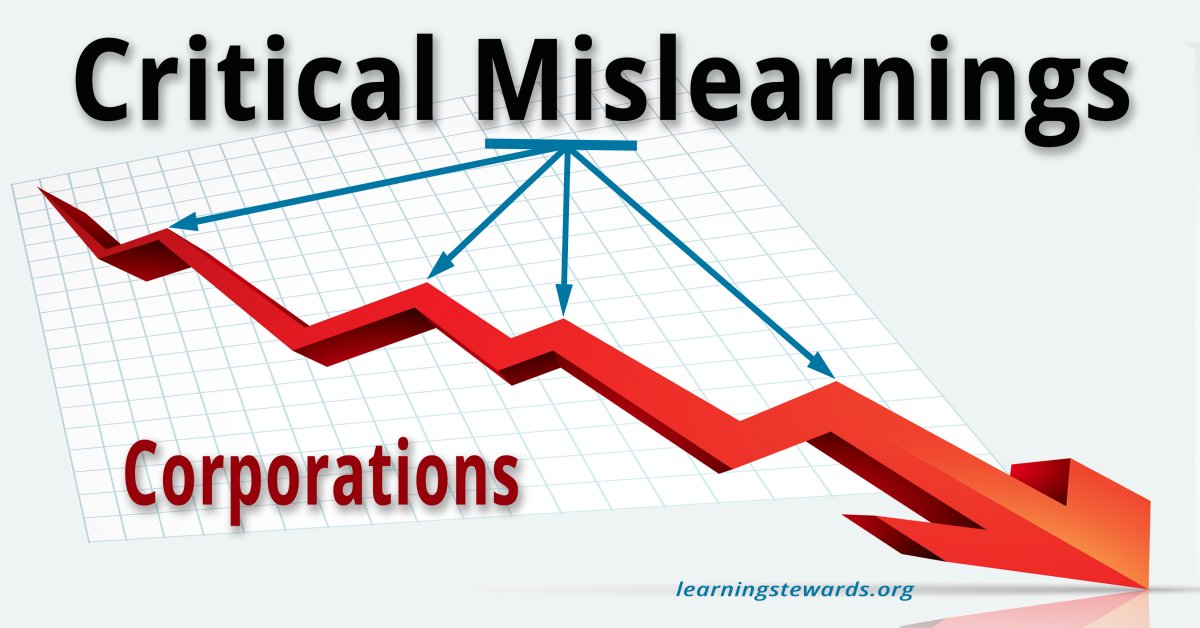
The business examples are everywhere: Kodak missing Xerox, IBM missing Microsoft, Sony missing Apple, Microsoft missing Google, Google missing Facebook, Facebook missing Twitter, Blockbuster missing Netflix, Walmart missing Amazon, and on and on. In each case, the already dominant, well-positioned, and resourced company failed to take advantage of a huge opportunity emerging in its own … Read more
Re: What Is It About the Human Brain That Makes Us Smarter Than Other Animals?

I share this article from “Neuroscience News” because it’s a good summary of interesting neuroscience, and because, like my prior post: “Sound In the Womb Provides Sound Learning Benefits“, it’s another example of how even neuroscience obscures the role of learning in our lives. First a bit of history. In early 2014, I encountered a … Read more

We Must Redefine Learning!

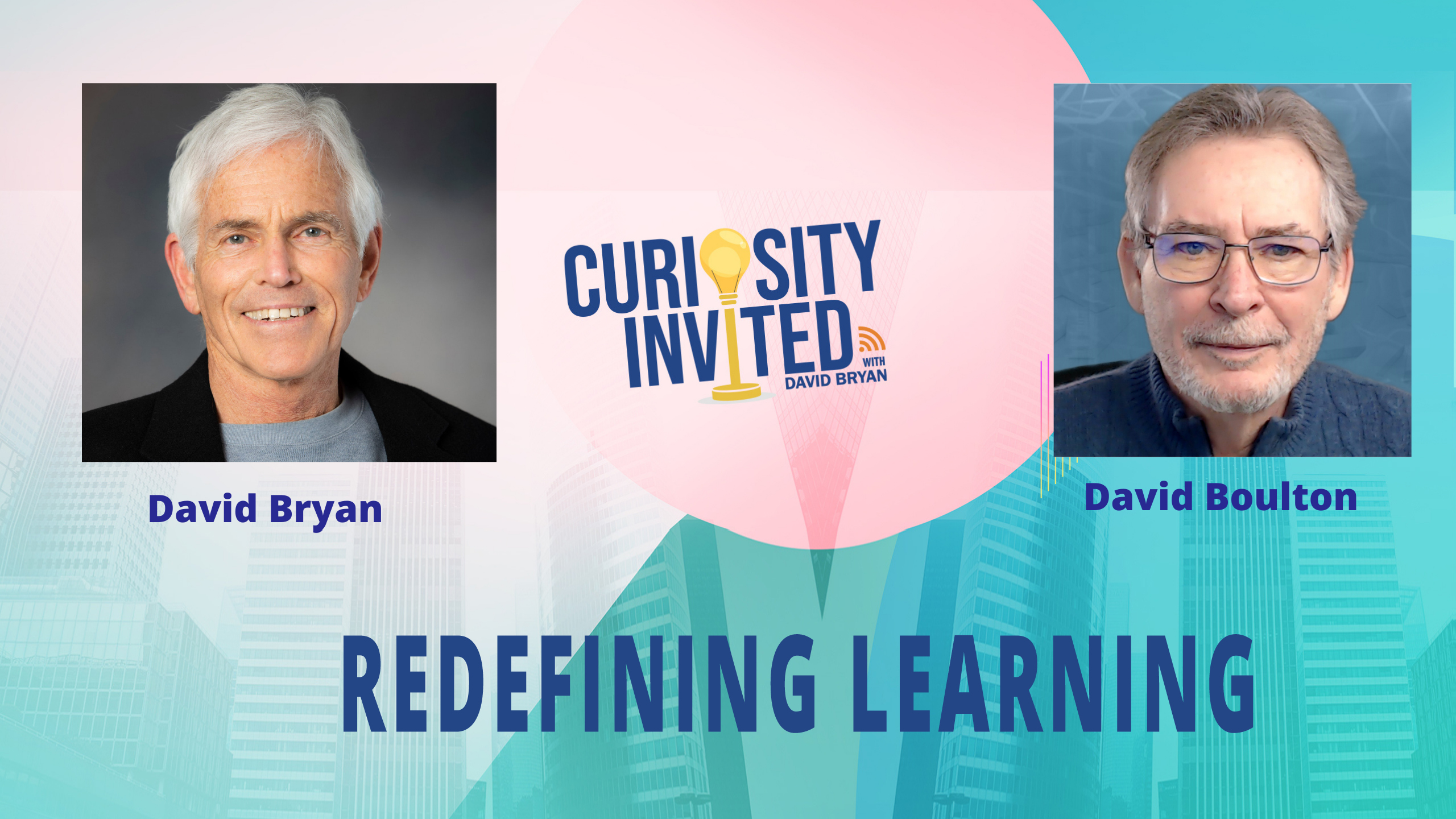
Redefining Learning – Curiosity Invited Clip

Curiosity Invited Podcast: Learning – The Central Dynamic of Being Human

Curiosity Invited Podcast. David Bryan in dialogue with David Boulton about learning and the role it plays in how human beings become who they become. #DavidBryan #learning #healthylearning #whatislearning #whatsnotlearning #curiosityinvited

Paradigm Inertia In Reading Science and Policy – Part 3: Learning Disabled Science

Back to Part 2: A Warning Shot from the Bush Administration Everyone we interviewed agreed: a significant component of the challenge of learning to read (English) is recognizing unfamiliar words fast enough to keep comprehension primed and flowing.   What most challenges the brain and causes the processing delays that “stutter” the flow of reading, … Read more

Paradigm Inertia In Reading Science and Policy – Part 2: A Warning Shot from the Bush Administration

Back to Part 1: Children of the Code Though most of our work was very well received, the more we explored the most common “brain processing challenge” involved in learning to read, the more we started to experience resistance. We first noticed this as we began to interview people who didn’t agree with the National … Read more

Paradigm Inertia In Reading Science and Policy – Part 1: Children of the Code

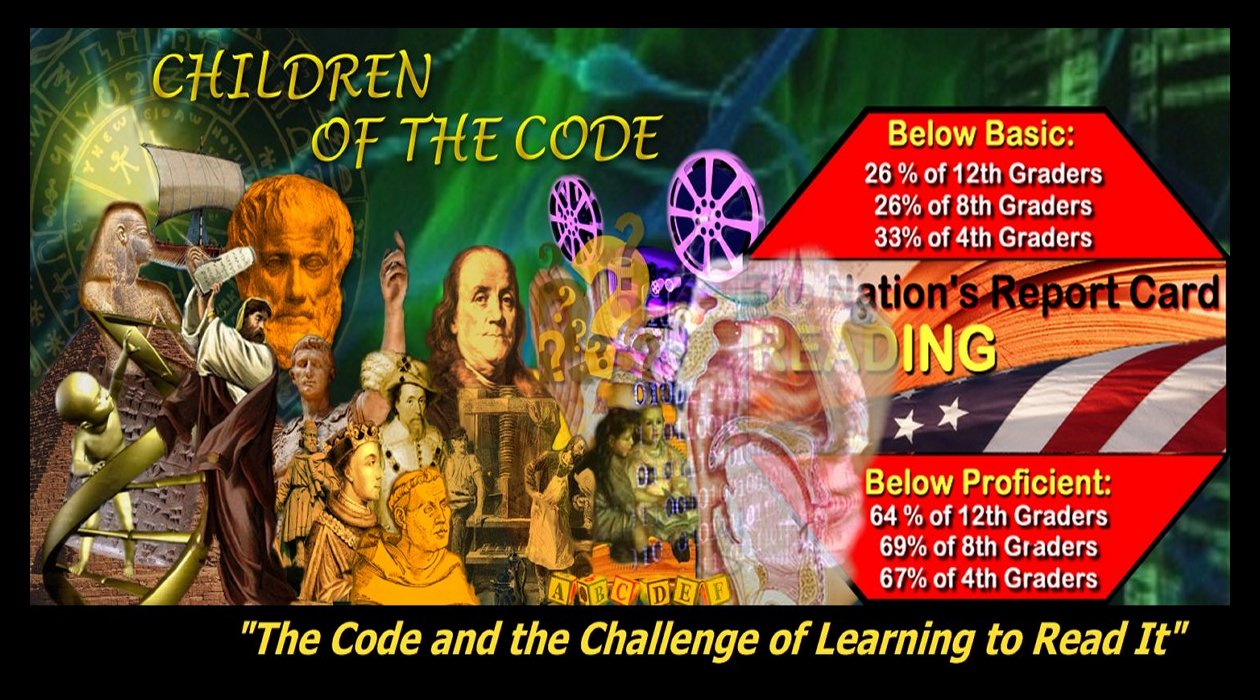
The “Children of the Code” project conducted over one hundred in-depth interviews with leading scientists and scholars whose expertise contributed to our prevailing understanding of the “the code and the challenges involved in learning to read it”. Children of the Code Interviewees “This program and the kind of effort that you’re doing seems to be … Read more