
Learning Stewards

The Miraculous Intersection
  The best possible source of information from which to improve the stewarding of children’s learning, and the best possible source children have to improve their participation in learning is the same.  Decades ago, I started calling this convergence the “miraculous intersection“. In this conversation with Gemini (Google’s renamed Bard), we explore this ground-level principle … Read more
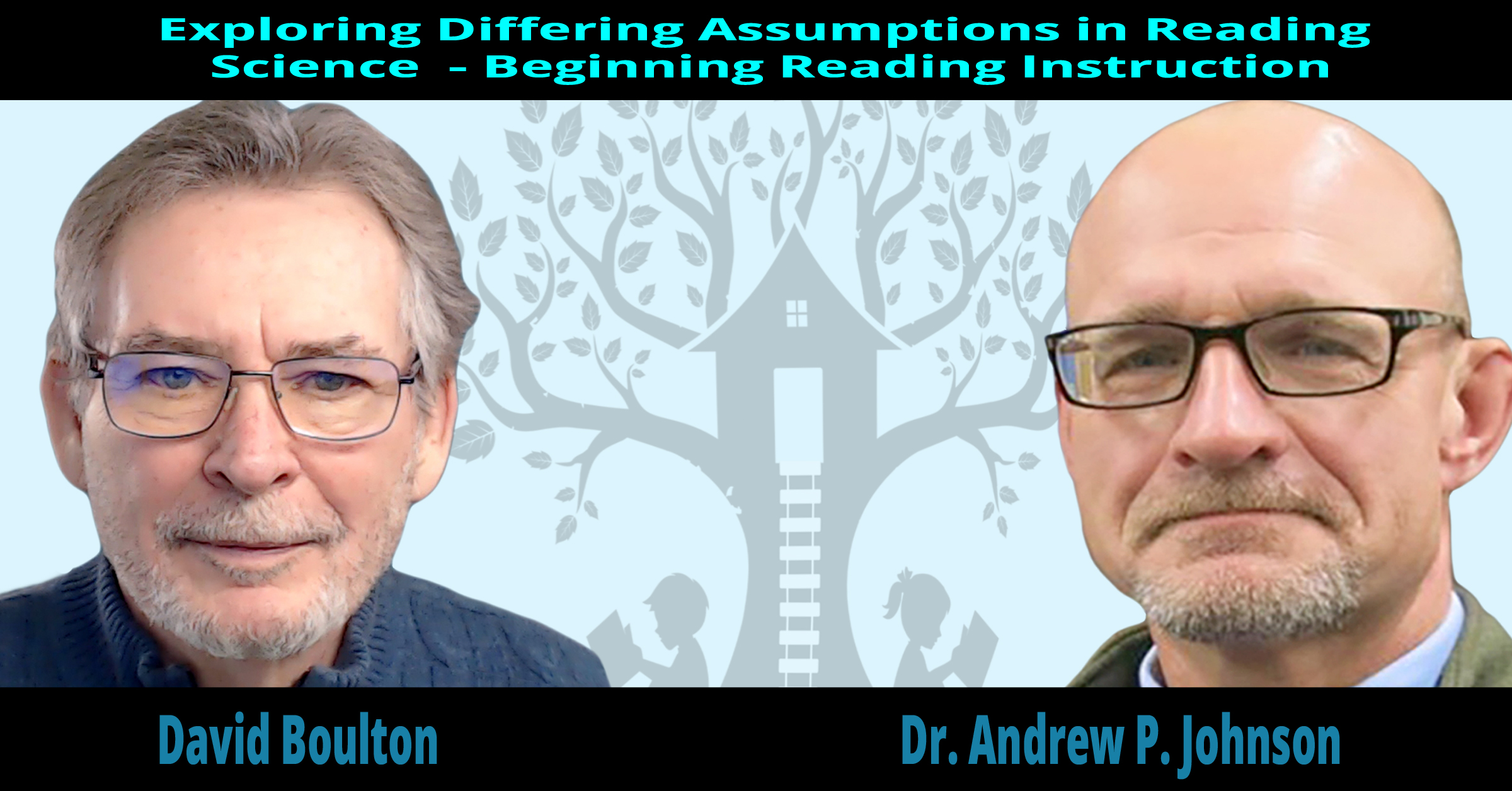
Exploring Differing Assumptions in Reading Science – Beginning Reading Instruction

Dr. Andrew Johnson is a Reading Specialist and a Distinguished Faculty Scholar and Professor of Literacy at Minnesota State University.  I, David Boulton, am a Learning Activist with Learning Stewards. Dr. Johnson and I have very different views about reading and the process of learning to read. We agreed to learn together and respectfully challenge … Read more

Study: confusion can be beneficial to learning?

Pedagogically-strategically, leading learners into confusion means we can meet them in the confusion – we can arrange to be together in the confusion. For both their learning and ours, feedback, from their experience of confusion, is the best possible source of intelligence from which to tune/improve instructional design.

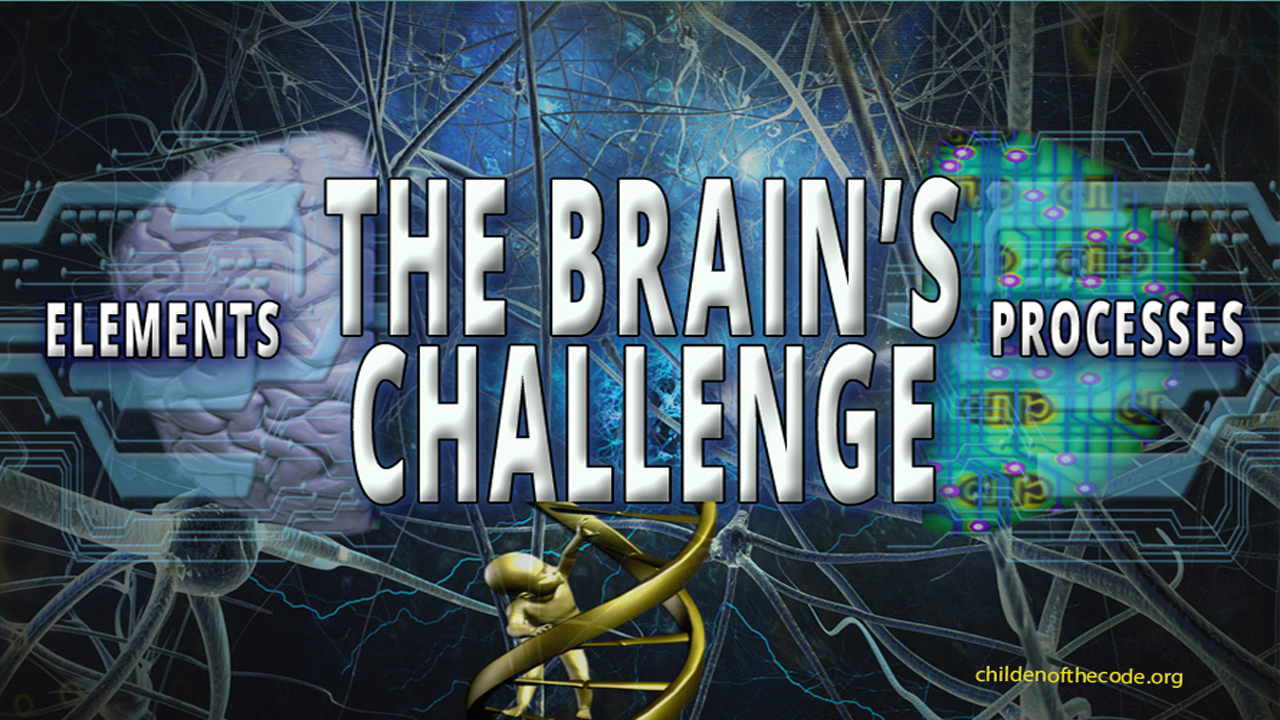
Reading: The Brain’s Challenge: Processing Stutters – Processing Speed

This is the first in a series of posts that explores the brain processing issues underlying difficulties in learning to read. In this post we focus on ‘processing stutters’ and their relationship to ‘processing speed’. We also establish the ‘speed of language’ as a baseline for understanding the processing speed demands of reading.

Re: Man vs. Computer: Who Wins the Essay-Scoring Challenge?

Re: Man vs. Computer: Who Wins the Essay-Scoring Challenge? From Education Week: Curriculum Matters 4-13-2012 “The results demonstrated that overall, automated essay scoring was capable of producing scores similar to human scores for extended-response writing items with equal performance for both source-based and traditional writing genre,” says the study. This is fascinating. Artificial intelligence has already … Read more

Re: Mind Wandering Is Linked To Your Working Memory

Re Scientific American’s piece: http://www.scientificamerican.com/podcast/episode.cfm?id=mind-wandering-is-linked-to-your-wo-12-03-17 Working memory is but one of a number of variables to consider when it comes to staying engaged and not ‘drifting’ out. Another under-appreciated cause of mind wandering is the erosion of attention that accompanies skipping over things we don’t understand. Attention is constantly cycling in and out of coherence and … Read more

Re: Tuning In to Dropping Out

Re: “Tuning In to Dropping Out” in the Chronicle of Higher Education We could learn a lot more than we are about education through the lens of economics and economic models of thought. We’ve talked with Heckman, Hanushek, Rolnick and others about our general lack of appreciation for the ‘capital value’ of ‘healthy learning’ and … Read more

Interesting Post on Memory and Attention

Re:  Greg Laden’s Blog:  Modern Neuroscience Verifies a Peircian Idea Interesting reference to a recent paper in Neuroscience related to the role of long-term memory in orienting attention.  It offers an interesting paradigm that is related to our interest in the ‘cycle of engagement’ that enables and constrains learning.